
Loading
Loading, please wait.Loading
Loading, please wait.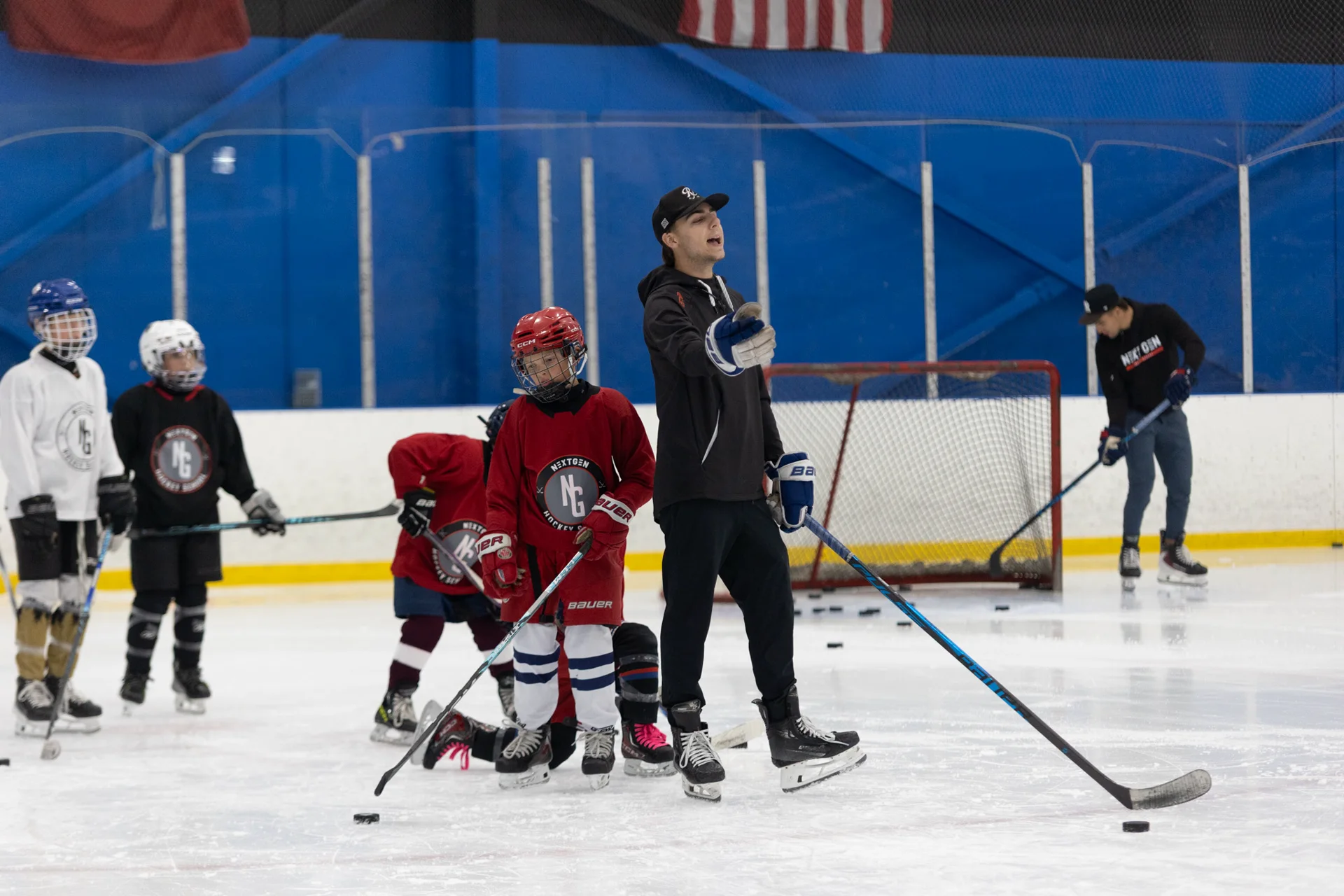
Ten weeks of elite tournament hockey — AAA-level, non-parent coaches, up to four top-level events, and stats tracked weekend by weekend. Spring is the window where winter's gaps get closed.
Development, not filler
The winter season is spent competing. There are standings to protect, lines to keep intact, and no room to take a player's stride apart and put it back together. By March, most kids have spent seven months managing their weaknesses rather than fixing them.
Spring is the opposite. It is the one stretch of the year with real games and no consequences attached to the result — which makes it the most productive development window a young player gets. The kids who use it are noticeably ahead by September.
Growth doesn't pause in April
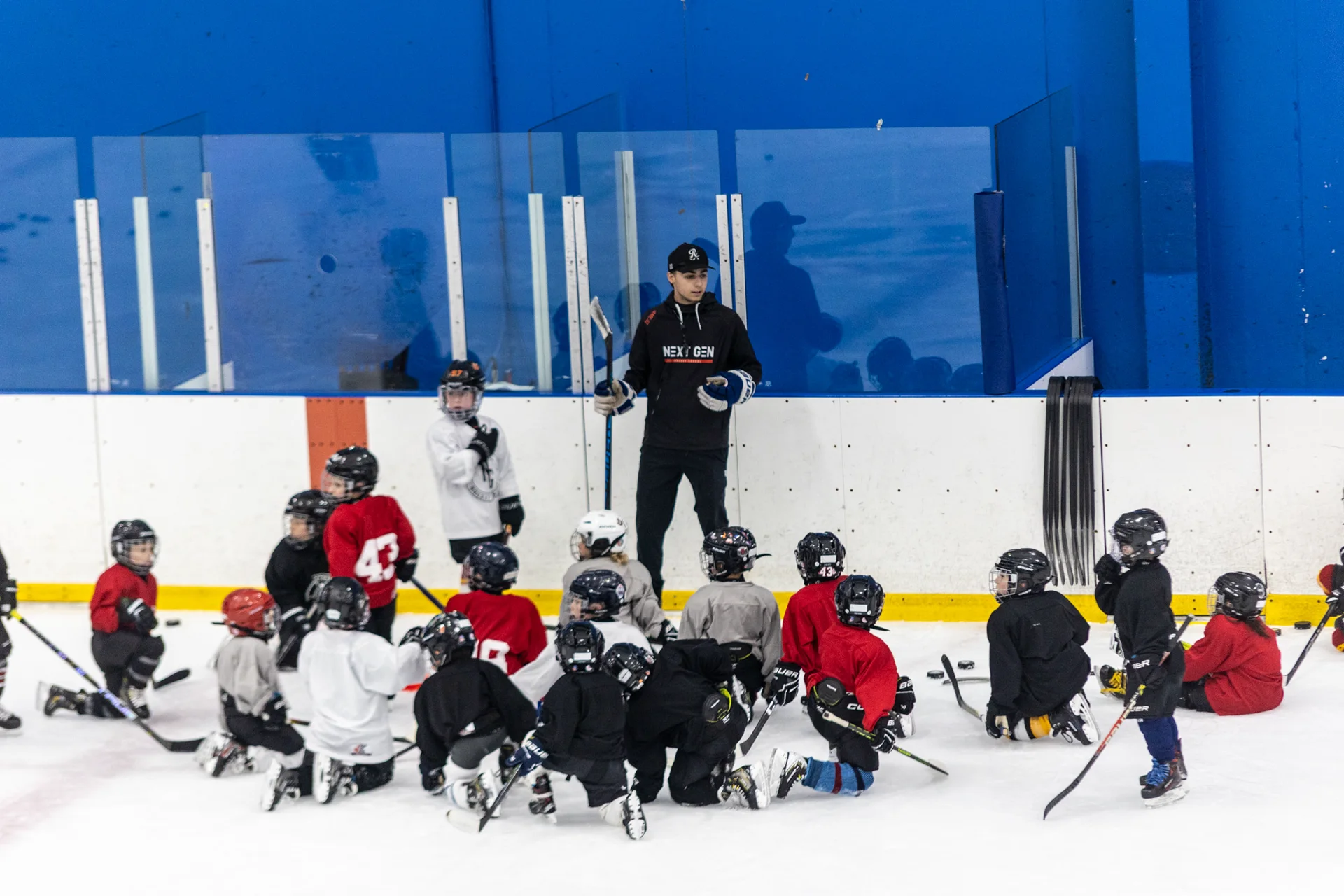
Spring and summer are when young players change the most physically — new height, new reach, new stride length. Skating mechanics have to be retaught to the body a player is growing into, and that work only happens if they're on the ice while it's happening.
Reps against players they've never faced
A winter season is the same divisional opponents on repeat. Elite spring tournaments put a player against unfamiliar systems, sizes, and skill levels every weekend — the fastest way to expose the habits a familiar league lets them hide.
Technique rebuilt without a scoreboard
Winter hockey is judged on standings, so weaknesses get managed instead of fixed. Spring is the one window where a coach can break a stride or a shot down to the fundamentals and rebuild it properly, because nothing is riding on Saturday's result.
The details
The roster
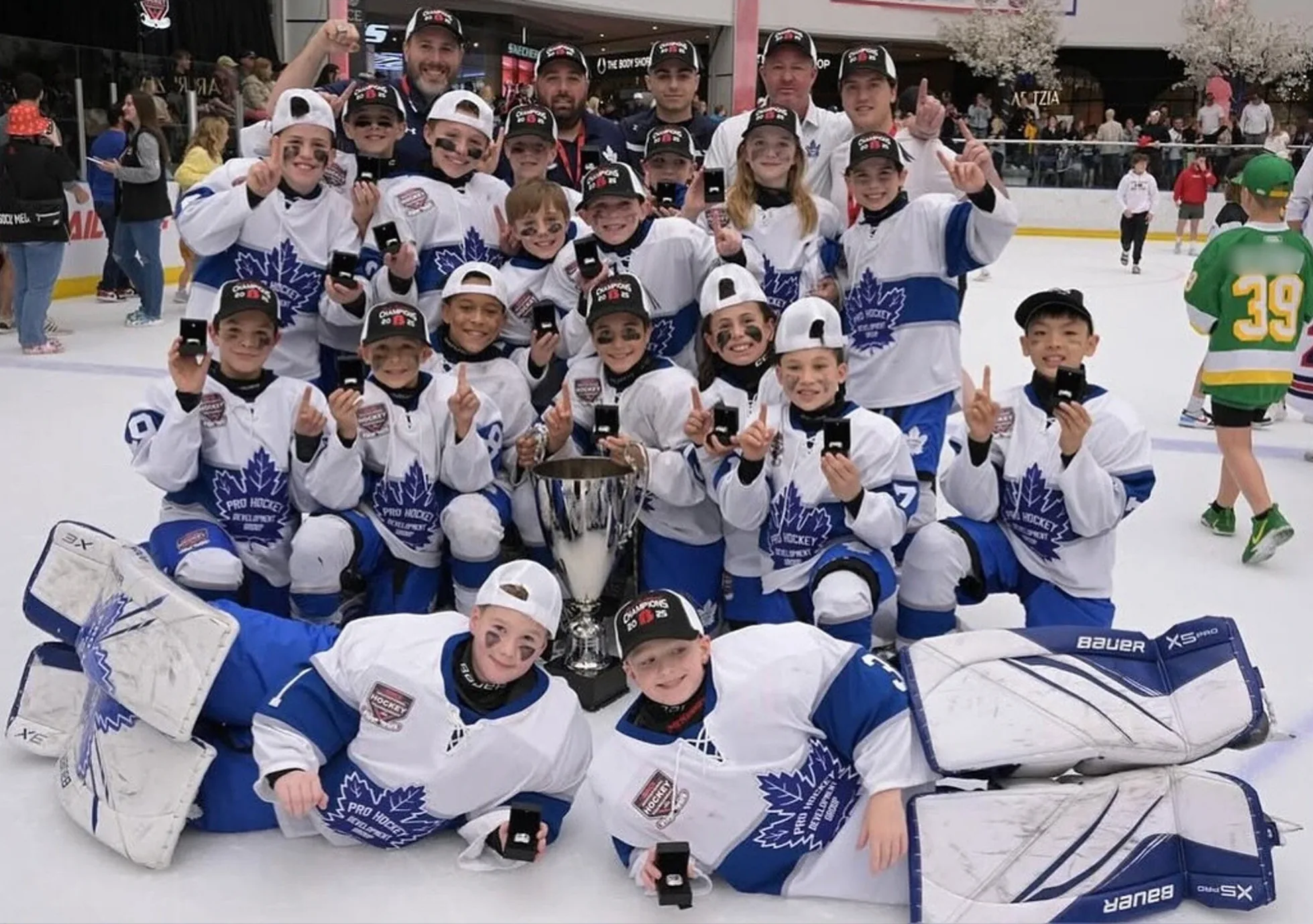
Spring rosters are kept small on purpose — more ice time per player, a coaching staff that knows every kid's game, and a group that travels and competes together from the first tournament to the last.
What's included
Everything a player needs for the spring, from ice time to the uniform they'll wear at every event.
Up to 10 hours on ice
Practice time across the ten weeks, built around the tournament schedule.
Up to 4 tournaments
Elite, top-level events through the spring and summer.
Apparel
Hoodie and shorts.
Next step
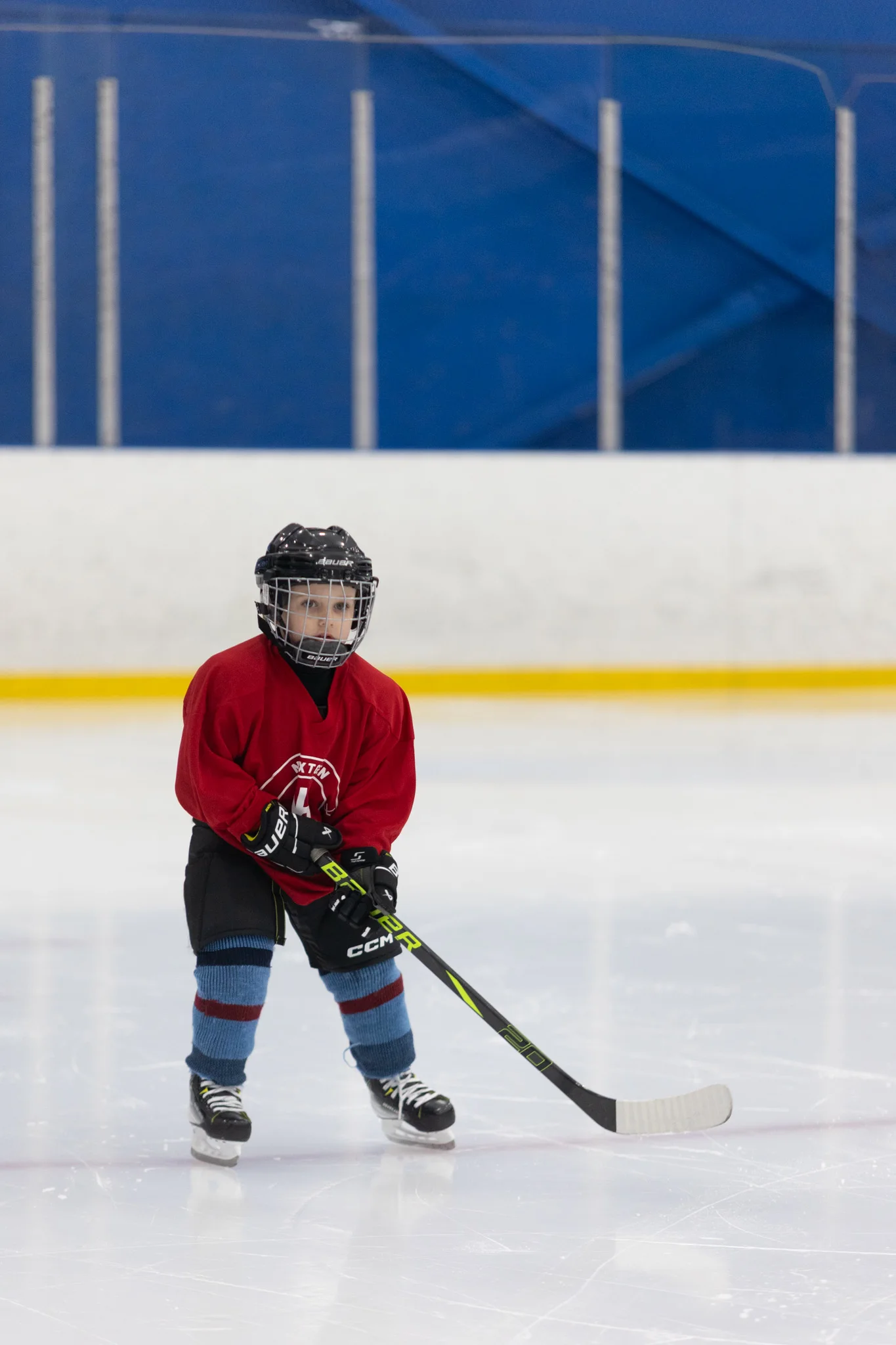
Spring rosters are picked at our ID Skates. Dates are being finalised — get in touch and we'll tell you as soon as registration opens.
The ID Skate form also asks for
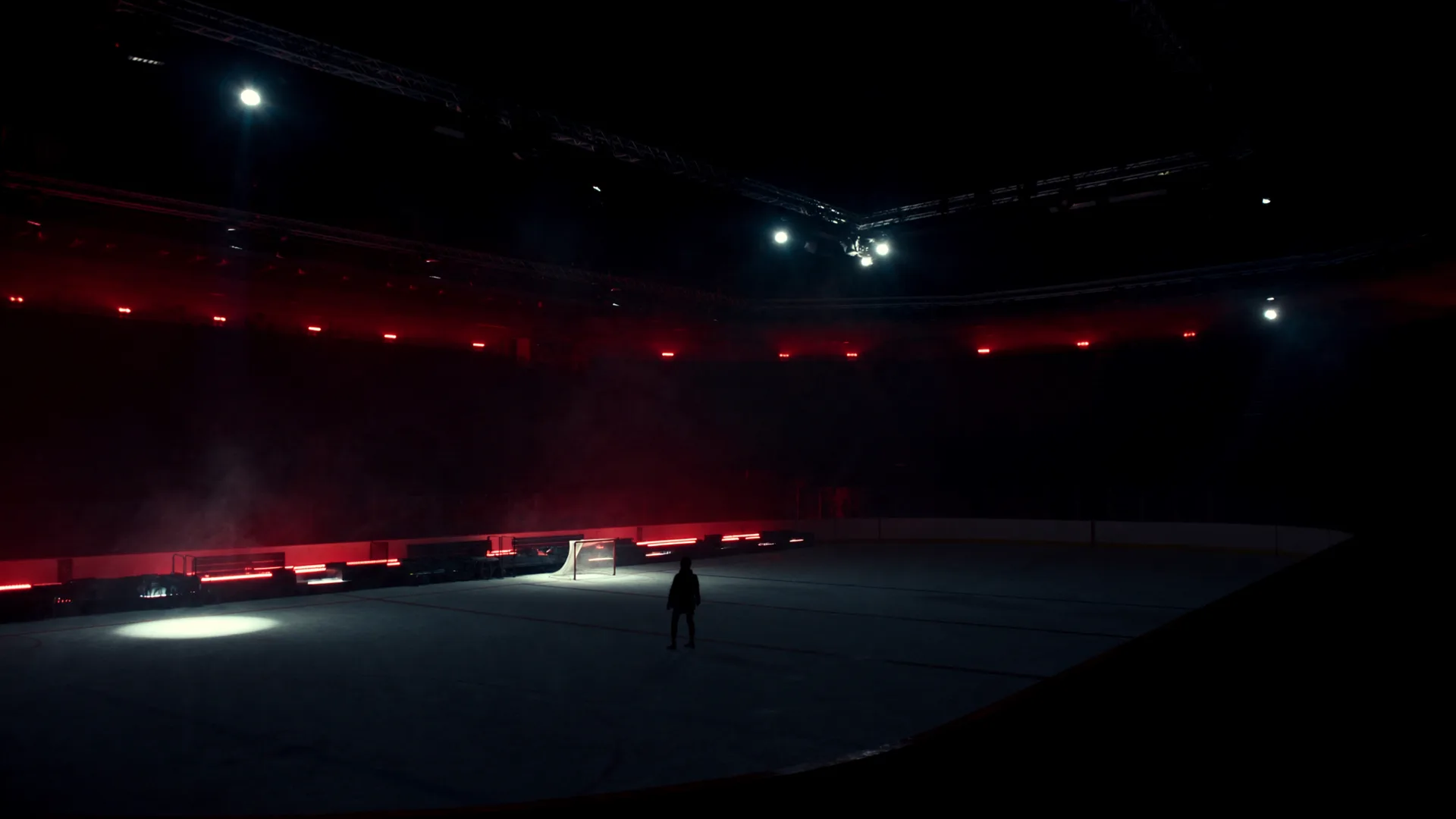
Ten weeks of elite tournament hockey, AAA-level coaching, and the development window that decides how next season starts.
Arriving in September ahead, not behind
Players who put the equipment away in March spend the first two months of the winter season getting back to where they finished. Ten weeks of high-level spring play means tryouts are a chance to show growth rather than shake off rust.
Custom NextGen game uniform
Can include helmet stickers, pant covers, socks, and a personalized jersey.
Stat tracking by tournament
Performance tracked and reported event by event, not just at season's end.